Showing posts with label Neurology. Show all posts
Showing posts with label Neurology. Show all posts
Monday, May 23, 2011
'Nodding disease' - Sudan and Uganda's incurable child disease with unknown cause
AlJazeeraEnglish: Hundreds of children in southern Sudan have died from a mysterious illness that they have called the "nodding disease". The mentally and physically disabling disease, which has no cure yet and affects only children, first emerged in Sudan in 1980s.
"We have no clue as what is causing this. It's like a detective novel and a murder mystery, because it's fatal," says a tropical disease specialist from UNICEF.
Bizarrely, the seizures occur when the sufferers start to eat, or when it is particularly cold. When a bowl of sorghum is placed in front of Susannah, the "nodding" begins almost immediately, and stop when she has finished eating.
Some villagers say the disease is a curse, others blame the country's long civil war and suspect that government forces have been dropping chemical weapons.
93% of those surveyed are infected with a parasitic worm which causes Onchocerciasis (also known as river blindness). However, the level of infection among children without "nodding" is 63%. The worm is carried by black flies which breed near fast-flowing rivers.
A team of CDC experts conducts a multifaceted investigation in northern Uganda. An Epidemic Intelligence Service Officer tells the story about Nodding Disease, a neurologic syndrome which is devastating to afflicted children.
References:
'Nodding disease' hits Sudan. BBC, 2003.

Sunday, May 22, 2011
Cell phones and your brain - CNN video
From CNN:
Do cell phones cause brain cancer? It may be too early to say for sure. The latency period or time between exposure and recognition of a tumor is around 20 years, sometimes longer. And, cell phone use in the U.S. has been popular for only around 15 years. Back in 1996, there were 34 million cell phone users. Today there are 9-10 times as many.
Interphone is a multinational study designed to try to answer this question. The data showed people who used a cell phone 10 years or more doubled the risk of developing a glioma, a type of brain tumor.
References:
Cell phones, brain tumors and a wired earpiece. CNN.
Cell phones and your brain. CNN.
Mobile phones may increase cancer risk - list of DOs and DONT's of mobile phone use (scroll down the page). Daily Mail, 2011.
How much radiation does your phone emit? Comprehensive chart by CNN http://goo.gl/l0l5q
Saturday, April 2, 2011
Headache? It could be that blade in skull (CNN video)
CNN: "I've got these stabbing pains" - Man complains about migraine, finds he has had a knife in his brain for 4 years.
Related reading:
Wednesday, February 9, 2011
Protecting the brain from concussion: $20-helmet is a good way to protect $100,000 education
Neuropsychologist Kim Gorgens makes the case for better protecting our brains against the risk of concussion -- with a compelling pitch for putting helmets on kids: A $20-helmet is a good way to protect $100,000 education. "Mind your (brain) matter."
Just consider the following tragic story:
Before he shot himself fatally in the chest Thursday, the former Chicago Bears defensive back Dave Duerson sent family members text messages requesting that his brain tissue be examined for the same damage recently found in other retired players.
As a longtime force in the N.F.L. players union, Duerson, 50, was keenly aware of chronic traumatic encephalopathy, the degenerative brain disease linked to depression, dementia and occasionally suicide among more than a dozen deceased players. He had expressed concern in recent months that he might have had the condition.
“This thing has the whole union community pretty shaken up.”
Related:
Before Shooting Himself, Duerson Asked That His Brain Be Studied, NYTimes, 2011.
Former NFL payer shot himself in chest so that his brain could remain intact for examination for encephalopathy, NYTimes, 2011.
Thursday, January 27, 2011
Diagnosis, treatment, and prognosis of glioma: 5 new things
 5 new ideas that are changing the management of brain tumor patients:
1. Prognosis and glioma subtypes. The cell of origin of the glioblastoma has never been defined. In his pioneering work “Death Foretold,” Dr. Christakis says “prognosis gives diagnosis its affective component, striking fear in patients and physicians alike.” There has been a lot of therapeutic nihilism about the treatment of glioblastoma, but that is now changing. Image source: Sen. Ted Kennedy who died of glioma in 2009.
2. Diagnosis and imaging mimics. Acute stroke in the luxury perfusion stage is probably the most common mimic of a brain tumor. Diffusion MRI sequences and perfusion CT scan are helpful in differentiating stroke from tumor by showing hypoperfusion as would be expected, rather than hyperperfusion seen in tumors.
3. Treatment and pseudoprogression. Temozolomide is an oral drug, which is changed into MTIC (methyltriazeno-imidazole-carboxamide), a DNA-methylating drug. The concomitant use of radiation therapy and adjuvant temozolomide in glioblastoma patients showed a median survival of 14.6 months.
Increase in contrast enhancement and mass effect can mimic tumor progression. The term “pseudoprogression” describes the inflammatory reaction to effective treatment. Increasing steroid doses can control the edema.
4. Antiepileptic drugs. Prophylactic use of antiepileptic drugs (AEDs) is not recommended in patients with brain tumor due to lack of efficacy. The interactions between AEDs and chemotherapy can also be problematic.
5. Quality of life issues. The incidence of common symptoms reported was fatigue (90%–94%), sleep disturbance (32%–52%), headache (50%), and cognitive impairment (50%). Ritalin, modafinil, and Aricept have all been shown to have a positive effect on mood and cognition. Cause of death was presumed brain herniation 73% of the time.
References:
Diagnosis, treatment, and prognosis of glioma. Five new things. Lynne P. Taylor, MD. Neurology November 2, 2010 vol. 75 no. 18 Supplement 1 S28-S32.
Image source: Sen. Kennedy who died of glioma in 2009, Wikipedia, GNU Free Documentation license.
Tuesday, January 25, 2011
Concussion Recovery - Mayo Clinic Video
Mayo Clinic Video: The news has been filled with stories about the dangers of concussions in sports like high school football. Doctors at Mayo Clinic say that pulling kids off the field until they have completely recovered is key to keeping them healthy. But some players who've suffered concussions choose not to get back in the game. They don't want to risk possible consequences of repeat and serious head injury.
Monday, January 17, 2011
Invasive dental treatment associated with increased risk for stroke and myocardial infarction
 Treatment of periodontal disease may reduce cardiovascular risk in the longer term, but studies have suggested a link among dental procedures, acute inflammation, and endothelial dysfunction.
This study included persons exposed to invasive dental treatment with a primary hospital discharge diagnosis of ischemic stroke or myocardial infarction from 2002 to 2006.
The rate of vascular events significantly increased in the first 4 weeks after invasive dental treatment (incidence ratio, 1.50) and gradually returned to the baseline rate within 6 months.
Invasive dental treatment may be associated with a transient increase in the risk for vascular events. However, the absolute risks are minimal, and the long-term benefits on vascular health will probably outweigh the short-lived adverse effects.
References:
Invasive Dental Treatment and Risk for Vascular Events: A Self-Controlled Case Series. October 19, 2010, vol. 153 no. 8 499-506.
Tuesday, December 7, 2010
Following DASH Diet Improves Brain Activity in Overweight Adults
 A new study suggest that the DASH diet in combination with regular exercise improves mental activity by 30% in overweight adults compared with those who didn’t diet or exercise. The DASH diet was developed for the Dietary Approaches to Stop Hypertension (DASH) study and emphasizes low-fat dairy products and low-cholesterol foods as well as carbohydrates and fruits and vegetables.
Researchers say high blood pressure affects about 50% of adults aged 60 and older and increases the risk of Alzheimer’s disease and other forms of mental decline like dementia.
These are 5 healthy lifestyle factors associated with a lower risk of developing high blood pressure:
1. Healthy weight: body mass index (BMI) of less than 25.
2. Daily exercise: average of 30 minutes of vigorous exercise per day.
3. Heart-healthy diet (DASH).
4. Moderate alcohol use.
5. Use non-narcotic pain relievers less than once per week.
A table to show the impact of lifestyle interventions on blood pressure http://bit.ly/johjzs - Great for patient education.
Related: What is the best diet in the world? DASH Diet, according to the latest review. TIME, 2011.
Monday, November 15, 2010
The Stroke Robot Will See You Now - Mayo Clinic Video
Mayo Clinic — April 30, 2010 — Imagine this: you're eating dinner with your family and suddenly your left arm feels numb. Your speech is slurred. It could be a stroke, so you've got to get to the hospital fast. But what if your hospital doesn't have a stroke specialist or what if that doctor is out of town? The answer may be telemedicine. Doctors at Mayo Clinic are using a telemedicine robot that allows them to be face to face with patients who are miles away.
Friday, October 15, 2010
10 risk factors are associated with 90% of the risk of stroke
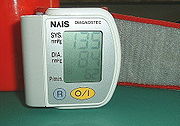 The Lancet reported that in 3000 patients with stroke (78%, with ischaemic stroke; 22%, with intracerebral haemorrhagic stroke) and 3000 controls, significant risk factors for all types of stroke were:
 - history of hypertension (OR 2·64)
- current smoking (2·09)
- waist-to-hip ratio (1·65)
- diet risk score (1·35)
- regular physical activity (0·69)
- diabetes mellitus (1·36)
- alcohol intake (1·51)
- psychosocial stress (1·30)
- depression (1·35)
- cardiac causes (2·38)
- ratio of apolipoproteins B to A1 (1·89)
Collectively, these risk factors accounted for 88·1% of the PAR for all strokes. When an alternate definition of hypertension was used (history of hypertension or blood pressure higher than 160/90 mm Hg), the combined PAR was 90·3% (85·3—93·7) for all stroke.
These risk factors were all significant for ischaemic stroke, whereas hypertension, smoking, waist-to-hip ratio, diet, and alcohol intake were significant risk factors for intracerebral haemorrhagic stroke.
Ten risk factors are associated with 90% of the risk of stroke. Targeted interventions that reduce blood pressure and smoking, and promote physical activity and a healthy diet, could substantially reduce the burden of stroke.
Ten risk factors are associated with 90% of the risk of stroke. Targeted interventions that reduce blood pressure and smoking, and promote physical activity and a healthy diet, could substantially reduce the burden of stroke.
References:
Risk factors for ischaemic and intracerebral haemorrhagic stroke in 22 countries (the INTERSTROKE study): a case-control study. The Lancet, Volume 376, Issue 9735, Pages 112 - 123, 10 July 2010
Stroke Risk Calculator http://goo.gl/elmc
Image source: BP device used for measuring arterial pressure. Wikipedia, GNU Free Documentation License.
Image source: BP device used for measuring arterial pressure. Wikipedia, GNU Free Documentation License.
Saturday, October 9, 2010
From migrant worker to brain surgeon at Johns Hopkins
Dr. Alfredo Quiñones-Hinojosa is the Director of the Brain Tumor Stem Cell Laboratory at Johns Hopkins University School of Medicine.
Twenty years ago, Dr. Quinones-Hinojosa hopped a border fence from Mexico into the United States and became a migrant farm worker, living in the fields in a broken-down camper he bought for $300.
When told he would probably be a farm worker for the rest of his life, he signed up for English classes at a community college, where one of his teachers encouraged him to apply to UC-Berkeley. There, he developed a passion for science, and showed remarkable aptitude.
He went on to Harvard Medical School and graduated with honors, followed by a residency in neurosurgery at UC-San Francisco, where he completed a postdoctoral fellowship in developmental and stem cell biology.
References:
Dr. Alfredo Quinones-Hinojosa. BigThink.com.
Thursday, September 30, 2010
Metformin increases risk of vitamin B-12 deficiency
 As many as 22% of people with type 2 diabetes could have vitamin B-12 deficiency.
This BMJ study evaluated the effects of metformin on the incidence of vitamin B-12 deficiency (lower than 150 pmol/l), low concentrations of vitamin B-12 (150-220 pmol/l), and folate and homocysteine concentrations in patients with type 2 diabetes receiving treatment with insulin.
Compared with placebo, metformin treatment was associated with a decrease in vitamin B-12 concentration of -19%.
The absolute risk of vitamin B-12 deficiency (lower than 150 pmol/l) at study end was 7.2 percentage points higher in the metformin group than in the placebo group with a number needed to harm of 13.8 per 4.3 years.
Long term treatment with metformin may increase the risk of vitamin B-12 deficiency, which results in raised homocysteine concentrations. Vitamin B-12 deficiency is preventable; therefore, regular measurement of vitamin B-12 concentrations during long term metformin treatment should be considered.
References:
BMJ 2010; 340:c2181
BMJ 2010; 340:c2181
Image source: Metformin. Wikipedia, public domain.
Saturday, September 4, 2010
Brain freeze, senior moment or just exhaustion - CNN video
From CBS News:
A 2006 study questioned the acceptability of minor episodic memory loss in older adults as normal. Episodic memory loss includes things such as forgetting the name of a new acquaintance, a recent conversation, or an upcoming appointment.
People commonly undergo an age-related slowing of the ability to retrieve information. They might forget where they put their keys, but they usually remember eventually. But when Alzheimer's is involved, new information is never properly stored, meaning the affected person never learned it well enough to be able to retrieve it.
Related:
Senior Moments: Signs Of Alzheimer's? CBS News.
Memory problems not a normal sign of aging: study http://goo.gl/xb9M
Thursday, August 19, 2010
"Sleep eaters" binge on sugary, high-calorie snacks, sometimes 5 times a night
 Consequences of nighttime eating can include injuries like black eyes from walking into a wall or hand cuts from a prep knife, or dental problems from gnawing on frozen food.
Upwards of 10 percent of adults suffer from some sort of parasomnia, or sleep disorder, like sleepwalking or night terrors. Some have driven cars or performed inappropriate sexual acts — all while in a sleep-induced fog. About 1 percent, mostly women, raid the refrigerator.
Image source: A halo around the Moon. Wikipedia, GNU Free Documentation License.
Wednesday, August 18, 2010
How to keep your brain in top performance shape - BBC video
Look After Your Brain - Brainsmart - BBC video.
Get these right and your brain will be in top shape:
- Diet - slow and steady release of glucose
- Water
- Exercise
- Sleep
Read more: http://www.bbc.co.uk/scotland/brainsmart
Wednesday, July 28, 2010
Evaluation of driving risk in dementia - practice parameter update
For patients with dementia, the following characteristics are useful for identifying
patients at increased risk for unsafe driving:
- Clinical Dementia Rating scale (Level A)
- caregiver’s rating of a patient’s driving ability as marginal or unsafe (Level B)
- history of crashes or traffic citations (Level C)
- reduced driving mileage or self-reported situational avoidance (Level C)
- Mini-Mental State Examination scores of 24 or less (Level C)
- aggressive or impulsive personality characteristics (Level C)

Evaluation of driving risk in dementia (click to enlarge the image).
The following characteristics are not useful for identifying patients at increased risk for unsafe driving:
- patient’s self-rating of safe driving ability (Level A)
- lack of situational avoidance (Level C)
patients at increased risk for unsafe driving:
- Clinical Dementia Rating scale (Level A)
- caregiver’s rating of a patient’s driving ability as marginal or unsafe (Level B)
- history of crashes or traffic citations (Level C)
- reduced driving mileage or self-reported situational avoidance (Level C)
- Mini-Mental State Examination scores of 24 or less (Level C)
- aggressive or impulsive personality characteristics (Level C)
Evaluation of driving risk in dementia (click to enlarge the image).
The following characteristics are not useful for identifying patients at increased risk for unsafe driving:
- patient’s self-rating of safe driving ability (Level A)
- lack of situational avoidance (Level C)
References:
Practice Parameter update: Evaluation and management of driving risk in dementia. Neurology 2010;74:1316–1324 (PDF)
Practice Parameter update: Evaluation and management of driving risk in dementia. Neurology 2010;74:1316–1324 (PDF)
Wednesday, June 30, 2010
Cognitive behavioural treatment may work for low-back pain
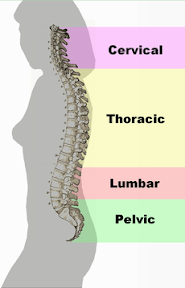 Low-back pain is a common and costly problem. This study estimated the effectiveness of a group cognitive behavioural intervention in addition to best practice advice in people with low-back pain in primary care.
Over 1 year, the cognitive behavioural intervention had a sustained effect on troublesome subacute and chronic low-back pain at a low cost to the health-care provider.
References:
Group cognitive behavioural treatment for low-back pain in primary care: a randomised controlled trial and cost-effectiveness analysis. The Lancet, Volume 375, Issue 9718, Pages 916 - 923, 13 March 2010.
Image source: Different regions (curvatures) of the vertebral column, Wikipedia, public domain.
Friday, June 25, 2010
Ethosuximide and valproic acid are more effective than lamotrigine in childhood absence epilepsy
Childhood absence epilepsy, the most common pediatric epilepsy syndrome, is usually treated with ethosuximide, valproic acid, or lamotrigine.
Ethosuximide and valproic acid are more effective than lamotrigine in the treatment of childhood absence epilepsy. Ethosuximide is associated with fewer adverse attentional effects.
References:
Ethosuximide, Valproic Acid, and Lamotrigine in Childhood Absence Epilepsy. NEJM, 2010.
Ethosuximide and valproic acid are more effective than lamotrigine in the treatment of childhood absence epilepsy. Ethosuximide is associated with fewer adverse attentional effects.
References:
Ethosuximide, Valproic Acid, and Lamotrigine in Childhood Absence Epilepsy. NEJM, 2010.
Saturday, May 22, 2010
Metabolic pathway plays a role in susceptibility to stuttering
Stuttering is a disorder of unknown cause characterized by repetitions, prolongations, and interruptions in the flow of speech. Genetic factors have been implicated in this disorder, and previous studies of stuttering have identified linkage to markers on chromosome 12.
Video: Biology Homework about Lysosomes.
References:
Monday, May 3, 2010
Approach to evaluation and management of syncope in adults - BMJ Review
 Syncope is common in all age groups, and it affects 40% of people during their lifetime, usually described as a "faint" or "blackout".
Neurally mediated syncope, which is benign, is the most common cause
Cardiac syncope as a result of arrhythmias or structural cardiopulmonary disease is more common with increasing age. Cardiac syncope is associated with increased mortality and must be excluded.
Brain imaging, carotid Doppler ultrasound, electroencephalography, and chest radiography are often not needed in patients with syncope.
References:
An approach to the evaluation and management of syncope in adults. BMJ 2010;340:c880.
http://www.bmj.com/cgi/content/short/340/feb19_1/c880
http://www.bmj.com/cgi/content/short/340/feb19_1/c880
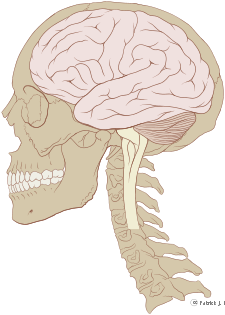
Image source: Illustration of the human brain and skull. Wikipedia, Patrick J. Lynch, medical illustrator, Creative Commons Attribution 2.5 License 2006.
Subscribe to:
Posts (Atom)


