Showing posts with label Infectious Disease. Show all posts

Wednesday, June 15, 2011

A microscopic look at hotel hygiene makes a microbiologist travel with an impervious mattress cover

From CNN:

The microbiologist Philip Tierno doesn't feel comfortable staying in hotels. He knows too much. He travels with an impervious mattress and pillow cover to protect against the unseen debris that guests leave behind. When humans sleep they shed about 1.5 million cells an hour.

While the covers were developed for allergy sufferers, Tierno encourages everyone to use them at home and on the road.

And definitely ditch the bedspread, he advises. Hotel bedspreads became a hot topic when one featuring bodily fluids from several sources was introduced in boxer Mike Tyson's 1992 rape trial.


How hotels clean drinking glasses

An Atlanta TV station used hidden cameras to monitor how the drinking glasses in hotel rooms were cleaned. In one case, a housekeeper appeared to clean a toilet and the glasses wearing the same gloves. In multiple hotels, the glasses were rinsed in the sink and dried for the next guests, in violation of health codes.

The Health Magazine lists the 12 germiest places in America or the so called "dirty dozen":

  1. Kitchen sink
  2. Airplane bathroom
  3. A load of wet laundry
  4. Public drinking fountain
  5. Shopping cart handle
  6. ATM buttons
  7. Playgrounds
  8. Bathtub
  9. Office phone
  10. Hotel-room remote

References:
A microscopic look at hotel hygiene, CNN, 2011.

Monday, June 13, 2011

Acyclovir reduces risk of HIV-1 disease progression, if positive for HIV-1 and HSV-2

Most people infected with HIV-1 are dually infected with herpes simplex virus type 2. Daily suppression of this herpes virus reduces plasma HIV-1 concentrations, but whether it delays HIV-1 disease progression is unknown.

In this study, the median CD4 cell count at enrollment was 462 cells per μL and median HIV-1 plasma RNA was 4 log10 copies per μL. Aciclovir reduced risk of HIV-1 disease progression by 16%.

The role of suppression of herpes simplex virus type 2 in reduction of HIV-1 disease progression before initiation of antiretroviral therapy warrants consideration.

References:
Daily aciclovir for HIV-1 disease progression in people dually infected with HIV-1 and herpes simplex virus type 2: a randomised placebo-controlled trial. The Lancet, Volume 375, Issue 9717, Pages 824 - 833, 6 March 2010.
Image source: Diagram of HIV. Image source: Wikipedia.

Wednesday, May 11, 2011

Automatic tracker ensures your doctor washed their hands


The University of Illinois Medical Center has installed a system called HyGreen (Hand Hygiene Recording and Reminding System) which acts as a reminder to health care workers before they ever enter a patient's room.

The provider begins by cleaning his hands, then placing them under a sensor that recognizes the cleaning, and transmits a signal to a badge the provider is wearing. When they walk into the patient's room, that badge transmits an "all clean" signal to a sensor above the bed.

If a caregiver walks into a room without washing their hands, the sensor won't get that all clean signal and the badge will start buzzing.


References:
Tech Ensures Your Doc Washed Their Hands. NBC Chicago.

Tuesday, March 29, 2011

Managing fever of unknown origin in adults - BMJ review

Few clinical problems generate such a wide differential diagnosis as pyrexia (fever) of unknown origin. The initial definition proposed by Petersdorf and Beeson in 1961 was later revised. Essentially the term refers to a prolonged febrile illness without an obvious cause despite reasonable evaluation and diagnostic testing.

Definition

Classic adult fever of unknown origin (FUO) is fever of 38.3°C (101°F) or greater for at least 3 weeks with no identified cause after 3 days of hospital evaluation or 3 outpatient visits

Causes of FUO

Common causes of FUO are infections, neoplasms, and connective tissue disorders.

Investigations almost always include imaging studies. Serological tests may be indicated

Treatment of FUO

Empirical antibiotics are warranted only for individuals who are clinically unstable or neutropenic. In stable patients empirical treatment is discouraged, although NSAIDs may be used after investigations are complete. Empirical corticosteroid therapy is discouraged.

References:
Investigating and managing pyrexia of unknown origin in adults. BMJ 2010; 341:c5470 doi: 10.1136/bmj.c5470 (Published 15 October 2010).
Image source: Wikipedia, public domain.

Wednesday, March 16, 2011

Oropharyngeal carcinoma increased by 22% in 6 years, related to rise in HPV

Head and neck cancer is the sixth most common cancer. Despite an overall marginal decline in the incidence of most head and neck cancers in recent years, the incidence of oropharyngeal squamous cell carcinoma has increased greatly, especially in the developed world.

In the United States, the incidence of oropharyngeal squamous cell carcinoma increased by 22% between 1999 and 2006.

The increase in incidence of oropharyngeal squamous cell carcinoma seems to be accounted for by a rise in human papillomavirus (HPV) related oropharyngeal carcinoma.

References:

Oropharyngeal carcinoma related to human papillomavirus. BMJ 2010; 340:c1439 doi: 10.1136/bmj.c1439 (Published 25 March 2010).
Image source: HPV types and associated diseases, Wikipedia, public domain.

Twitter comments:

@travispew (Travis Pew): So get your kids the HPV shot.

Wednesday, February 23, 2011

Acute bronchitis: Many patients expect to be treated with antibiotics and cough meds but this differs from guidelines


Mind map of differential diagnosis of cough. See more Allergy and Immunology mind maps here.

Cough is the most common symptom bringing patients to the primary care physician's office. The most common diagnosis in these patients is acute bronchitis, according to a recent review in the official journal of AFP, American Family Physician.

Acute bronchitis should be differentiated from other common causes of cough such as pneumonia and asthma - because the therapies are clearly different.

Symptoms of acute bronchitis typically last 3 weeks. As we already know, the presence of colored (e.g., yellow or green) sputum does not reliably differentiate between bacterial and viral lower respiratory tract infections.

Viruses cause more than 90% of acute bronchitis, and therefore, antibiotics are generally not indicated. They should be used only if pertussis is suspected to reduce transmission or if the patient is at increased risk of developing pneumonia (e.g., patients 65 years or older).

The typical therapies that have been traditionally used for managing acute bronchitis symptoms have been shown to be ineffective. The U.S. Food and Drug Administration recommends against using cough and cold preparations in children younger than 6 years.

The supplement pelargonium may help reduce symptom severity in adults.

Many patients expect to be treated with antibiotics and cough medications but this differs from evidence-based recommendations.

The CNN video below tries to decipher what hides behind the names of common cough and cold medications:


References:
Diagnosis and treatment of acute bronchitis. Albert RH. Am Fam Physician. 2010 Dec 1;82(11):1345-50.

Sunday, January 16, 2011

Diagnosing tuberculosis with cytokines IL-15, IL-10 and MCP-1, in addition to interferon-gamma

A pattern of two cytokines, called MCP-1 and IL-15, was reasonably good at differentiating between persons sick with TB and persons infected but not sick.

Monocyte chemotactic protein-1 (MCP-1) is a small cytokine belonging to the CC chemokine family. According to the new nomenclature, MCP-1 is called chemokine (C-C motif) ligand 2 (CCL2).

A third cytokine called IP-10 also showed promise at differentiating between people who are infected and those who are not.

Interferon gamma-induced protein 10 kDa (IP-10) is also known as C-X-C motif chemokine 10 (CXCL10). It belongs to the CXC chemokine family.

These 3 cytokines could form the basis of a new test to quickly detect whether tuberculosis is dormant or active and infectious.


52 chemokines from 4 families have been described. They interact with 20 receptors (click here for a larger image).

What is the difference between cytokine, interleukin and chemokine?

Cytokines (Greek cyto-, cell; and -kinos, movement) are substances secreted by cells of the immune system which carry signals locally between cells. They are proteins, peptides, or glycoproteins.

Interleukins are a group of cytokines first found to be expressed by white blood cells (leukocytes). The name is a misnomer since interleukins are produced by a wide variety of cells, not only leukocytes.

Chemokines (Greek -kinos, movement) are a family of small cytokines, or proteins secreted by cells. The name is derived from their ability to induce directed chemotaxis in nearby responsive cells; they are chemotactic cytokines.

Xpert MTB/RIF is a rapid diagnostic test for tuberculosis with high sensitivity (90%) and specificity (99%). Lancet, 2011.

Friday, December 17, 2010

Sitting on a patient’s bed, by visitors or doctors, is prohibited by infection control

Iona Heath, general practitioner from London comments on this issue in BMJ:

"I learnt recently from senior nursing colleagues that sitting on a patient’s bed, by either visitors or clinicians, is now also prohibited, apparently in the interests of infection control. A quick internet search of "sitting on the bed" and "infection control" produces a huge list of leaflets from a variety of hospitals, each reinforcing the prohibition.

Doctors should never be discouraged from sitting, because patients consistently estimate that they have been given more time when the doctor sits down rather than stands. Standing makes the conversation seem hurried even when it is not; and, in the hospital setting, sitting on the chair does not seem to work nearly as well, because the levels are somehow all wrong."

Sitting on a chair next to the patient's bed is the best approach.

References:
Do not sit on the bed -- Heath 340: c1478 -- BMJ.
Image source: OpenClipArt.org, public domain.

Thursday, December 2, 2010

Low risk of transmission of influenza on the plane: 3.5% if sitting within 2 rows of infected passengers

This BMJ study assessed the risk of transmission of pandemic A/H1N1 2009 influenza (pandemic A/H1N1) from an infected high school group to other passengers on an airline flight and the effectiveness of screening and follow-up of exposed passengers.

The design was a retrospective cohort investigation using a questionnaire administered to passengers and laboratory investigation of those with symptoms.

The setting was in Auckland, New Zealand, with national and international follow-up of passengers. The participants were passengers seated in the rear section of a Boeing 747-400 long haul flight that arrived on 25 April 2009, including a group of 24 students and teachers and 97 (out of 102) other passengers in the same section of the plane who agreed to be interviewed.

9 members of the school group were laboratory confirmed cases of pandemic A/H1N1 infection and had symptoms during the flight. Two other passengers developed confirmed pandemic A/H1N1 infection. Their seating was within two rows of infected passengers, implying a risk of infection of about 3.5% for the 57 passengers in those rows.

A low but measurable risk of transmission of pandemic A/H1N1 exists during modern commercial air travel. This risk is concentrated close to infected passengers with symptoms.


Video: "How to Sneeze" Demonstrated by the U.S. Health and Human Services Secretary Kathleen Sebelius. She shows NBC’s Chuck Todd the “Elmo way” to sneeze.

Don't forget to get your influenza immunization (flu shot or spray) this season. The CDC video embedded below clearly explains why this is extremely important.


CDC video: Why Flu Vaccination Matters: Personal Stories from Families Affected by Flu.

References:
Transmission of pandemic A/H1N1 2009 influenza on passenger aircraft: retrospective cohort study. BMJ 2010; 340:c2424 doi: 10.1136/bmj.c2424 (Published 21 May 2010).
Diagram of influenza virus nomenclature. Image source: Wikipedia, GNU Free Documentation License.

Wednesday, December 1, 2010

Monday, October 18, 2010

Gonorrhea Getting Harder to Treat - Antibiotic Resistance Pushing Gonorrhea Toward Superbug Status

Gonorrhea is a common sexually transmitted bacterial infection. If left untreated, gonorrhea can lead to pelvic inflammatory disease, ectopic pregnancy, and infertility in women. Treatment for gonorrhea usually consists of a single dose of one of two antibiotics, cefixime or ceftriaxone.

The current drugs of choice, ceftriaxone and cefixime, are still very effective but there are signs that resistance, particularly to cefixime, is emerging and soon these drugs may not be a good choice.

Only one remaining class of antibiotics is recommended for the treatment of gonorrhea - cephalosporins. Historically, gonorrhea has progressively developed resistance to the antibiotic drugs prescribed to treat it. Thus, it is critical to continuously monitor antibiotic resistance in Neisseria gonorrhoeae.

As a side note that highlights the prevalence of the problem, there are at least 10 songs titled "Gonorrhea" by various artists in the Amazon.com MP3 music store.


CDCStreamingHealth | April 16, 2010: This video, produced by Be Smart. Be Well., raises awareness of Sexually Transmitted Diseases (STDs): 1) What are they? 2) Why they matter? and, 3) What can I do about them? Footage courtesy of Be Smart. Be Well. http://www.besmartbewell.com, featuring CDC's Dr. John Douglas, Division of Sexually Transmitted Disease Prevention.

References:
Sexually Transmitted Diseases (STDs) - Diagnosis and Management Slideshow from Medscape http://goo.gl/uzwA

Friday, September 10, 2010

What's new in infectious diseases from UpToDate

35% of UpToDate topics are updated every four months. The editors select a small number of the most important updates and share them via "What's new" page. I selected the brief excerpts below from What's new in infectious diseases:

Antibiotics and warfarin
Among patients taking warfarin who require antimicrobial therapy for treatment of urinary tract infection, trimethoprim-sulfamethoxazole and ciprofloxacin werer associated with increased risk of upper gastrointestinal tract bleeding.

C. difficile

Symptomatic patients may play a role in airborne dispersal of C. difficile. In a study including 50 patients with confirmed C. difficile infection, air sampling for one hour demonstrated C. difficile organisms in 12 percent of cases.

Community-acquired pneumonia and antipsychotics

Use of atypical or typical antipsychotics was associated with a dose-dependent increased risk for community-acquired pneumonia (CAP).

High-dose flu vaccine

The FDA approved a high-dose inactivated influenza vaccine for individuals older than 65 years of age. Data showed increased immunogenicity of the high-dose vaccine in older adults.

Measles mumps rubella (MMR)

Monovalent vaccines are no longer available in the United States for measles, mumps or rubella.

Meningococcal vaccine

A new quadrivalent meningococcal conjugate vaccine (Menveo) was approved for individuals from 11 to 55 years of age as an alternative to the older quadrivalent conjugate vaccine (Menactra, MCV4). Both formulations protect against the same serogroups (A, C, Y, and W135).

Herpes zoster vaccine

Uptake of herpes zoster vaccine has been 2 to 7 percent in the United States. The reasons are often financial - only 45 percent of PCPs knew that herpes zoster vaccine is reimbursed through Medicare Part D.

How to Subscribe to "What's New" Specialty Page of UpToDate? No Feed, No Problem for Google Reader

35% of UpToDate topics are updated every four months. The editors select a small number of the most important updates and share them via "What's new" page.

The page does not provide RSS feed for the different specialties. One solution is to copy/paste the URL address of each subspecialty page you are interested in the Google Reader "Add a subscription" field (top left corner). Google Reader will automatically create a RSS feed from this "feedless" page.


References:
What's new in infectious diseases. UpToDate.

Tuesday, June 22, 2010

Oral ivermectin superior to topical malathion lotion in eradicating difficult-to-treat head-lice infestation

Head-lice infestation is prevalent worldwide, especially in children 3 to 11 years old.

Topical insecticides (i.e., pyrethroids and malathion) used as a lotion, applied twice at an interval of 7 to 11 days, are typically used for treatment. Resistance of lice to insecticides, particularly pyrethroids, results in treatment failure.

For difficult-to-treat head-lice infestation, oral ivermectin, given twice at a 7-day interval, had superior efficacy as compared with topical 0.5% malathion lotion, a finding that suggests that it could be an alternative treatment.

Why does head louse not infest body and vice versa?

Possible explanation: Body lice lay their eggs on clothing fibers instead of hair fibers (http://emedicine.medscape.com/article/1108991-overview).

References:
Oral Ivermectin versus Malathion Lotion for Difficult-to-Treat Head Lice. NEJM, 2010.

Updated: 06/24/2010

Thursday, June 17, 2010

What's new in infectious diseases from UpToDate

- Brain MRI may be useful in patients with endocarditis. In one study including 53 patients, early use of cerebral MRI led to the reclassification from possible to definite IE in 30% of cases.

Figure 1. TEE shows AV Endocarditis in a patient with IVDA. There is a large vegetation on the aortic valve with 2-3+ AI (click to enlarge the image). Source: Double Hit – Right and Left-Sided Endocarditis in a Heroin Abuser.

- Cotrimoxazole prophylaxis was associated with a 50 percent reduction in deaths in patients starting antiretroviral therapy with CD4 counts lower than 200 cells.

- Universal influenza immunization: In 2010, the CDC expanded the recommendation for influenza vaccination to include all individuals 6 months of age and older. Previous guidelines recommended influenza vaccination for individuals over age 50 and for those at increased risk of influenza complications and close contacts of such individuals.


35% of UpToDate topics are updated every four months. The editors select a small number of the most important updates and share them via "What's new" page.

The page does not provide RSS feed for the different specialties. One solution is to copy/paste the URL address of each subspecialty page you are interested in the Google Reader "Add a subscription" field (top left corner). Google Reader will automatically create a RSS feed from this "feedless" page.


References:
What's new in infectious diseases. UpToDate, 2010.

Monday, May 24, 2010

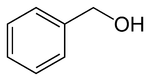
New Treatment Effective in Killing Head Lice - benzyl alcohol lotion 5% (Ulesfia)

From WebMD:

A new prescription lotion (Ulesfia) with benzyl alcohol treats head lice and is effective and safe for children as young as 6 months. The study shows it works by suffocating lice, a method that has long been tried with limited success using messy substances like petroleum jelly, olive oil, and even mayonnaise.

Overnight "home remedies" such as mayonnaise merely appear to kill lice, but don't because the bugs are able to close their spiracles long enough to survive. This is called the "resurrection effect" because, after rinsing, the lice thought to be dead are able to open their breathing spiracles and start biting again.

Existing over-the-counter head lice treatments contain neurotoxic pesticides as active ingredients, resulting in potential toxicity and other problems, including lengthy applications, odor and ineffectiveness.

References:
Losing the Lice Without Losing Your Wallet. NYTimes, 2010.
Image source: Benzyl alcohol, Wikipedia, public domain.

Updated: 05/28/2010

Room-temperature plasma gases may replace hand disinfectants

From the NYTimes:

Instead of scrubbing, the workers would put their hands into a small box that bathes them with plasma — the same sort of luminous gas found in neon signs, fluorescent tubes and TV displays.

This plasma, though, is at room temperature and pressure, and is engineered to kills bacteria, including the drug-resistant supergerm MRSA.

References:
Hospital-Clean Hands, Without All the Scrubbing
Image source: Neon sign. Wikipedia, Rolf Süssbrich, Creative Commons Attribution ShareAlike 3.0 License.

Friday, May 21, 2010

Antibiotic use for respiratory infections could be reduced by 40% by procalcitonin (PCT) test

Procalcitonin (PCT) is a precursor of the hormone calcitonin, which is involved with calcium homeostasis, and is produced by the C-cells of the thyroid gland.

In healthy people, procalcitonin (PCT) concentrations are low, but in those with bacterial infection it occurs at high concentrations in the blood as early as 3 hours after infection. In people with viral infections, procalcitonin (PCT) levels rise only marginally, if at all.

A PCT-guided strategy applied in primary care in unselected patients presenting with symptoms of acute respiratory infection reduces antibiotic use by 41.6 percent without compromising patient outcome.


The FDA Approved an Automated Procalcitonin (PCT) Test in 2008.

References:
Simple test could cut excessive antibiotic use. Reuters, 2010.

Thursday, May 13, 2010

Back and forth: Study fails to show link previously found between virus and chronic fatigue syndrome

A UK study analysing samples from patients with chronic fatigue syndrome has found no evidence of a link with a retrovirus (XMRV). The virus was first described in 2006.

Patients with chronic fatigue syndrome, also known as myalgic encephalomyelitis, often report that their condition—a mix of symptoms including extreme fatigue—began after an otherwise normal viral infection.

The xenotropic murine leukaemia virus-related virus (XMRV) was found in 67% of patients with chronic fatigue syndrome in a study reported last year (Science 2009,326:585-9).


The Gift of Time is a short film about the doctors who discovered the XMRV virus and the breakthru potential for prostate cancer.

References:

Monday, April 12, 2010

Health experts' tips for safe international travel


CDC video: Health experts suggest that you take several key steps to be protected against injury or illness when travelling to developing nations. This includes packing a health kit, bringing medications, and getting immunizations for safe and healthy travel.

Wednesday, April 7, 2010

Eradication of nasal colonization with S. aureus associated with a decrease in postoperative surgical-site infections

Nasal carriers of Staphylococcus aureus are at increased risk for health care–associated infections with this organism.

Eradication of colonization with S. aureus by screening at admission and subsequent decolonization (with intranasal mupirocin and chlorhexidine skin washes) were associated with a decrease in postoperative surgical-site infections.

In a randomized, double-blind, placebo-controlled trial, S. aureus nasal carriers were treated with mupirocin nasal ointment and chlorhexidine soap.

A total of 6771 patients were screened on admission, 1270 nasal swabs from 1251 patients were positive for S. aureus. All the S. aureus strains identified on PCR assay were susceptible to methicillin and mupirocin.

The rate of S. aureus infection was 3.4% in the mupirocin–chlorhexidine group, as compared with 7.7% in the placebo group (relative risk of infection, 0.42). The effect of mupirocin–chlorhexidine treatment was most pronounced for deep surgical-site infections (relative risk, 0.21).

References:
Preventing Surgical-Site Infections in Nasal Carriers of Staphylococcus aureus. NEJM, 1/2009.
GIANTmicrobes in Toys & Games section of Amazon.com http://goo.gl/gMrf